
STEM Camps
Build, Code, Design, and Imagine all summer
Vertex STEM Education is a STEM learning centre for students ranging from SK to Grade 11 (and potentially Grade 12). The centre offers a variety of STEM programs, including Python, Java, and C++ coding, 3D printing, calculus and physics, Engineering Design, game development, and robotics. Many of these programs utilize hands-on materials such as LEGO robotics and SPIKE kits, Arduino, 3D printers, robotic components, and Raspberry Pi etc.
When
From June 15th to September 4th, a 12-week period, Vertex STEM Education will be hosting summer camp programs for students across various age groups. Each program is typically two weeks long, although some programs run for only one week. During the weeks of June 29 to July 3 and August 4 to August 7, Vertex STEM Education operates on a four-day schedule instead of the usual five full days.
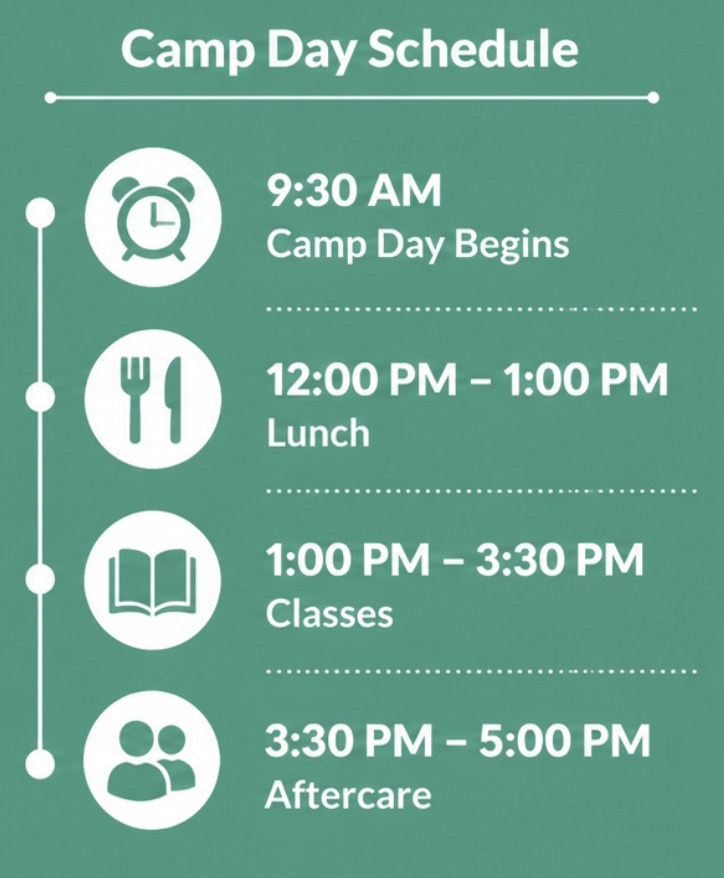
The camp day begins at 9:30 AM. Lunch is scheduled from 12 PM to 1 PM. Classes resume at 1 PM and continue until 3:30 PM. Aftercare is available from 3:30 PM to 5:00 PM for an additional fee. If a child does not bring lunch, one can be provided for $10 per day. In addition, Vertex STEM Education will host a pizza lunch party every Friday.
To differentiate these camps from regular classes, Vertex offers a wide range of engaging and interactive programs, which are organized into five main categories: 1) Game Design, 2) Coding, 3) Pre-University Prep, 4) 3D Making, and 5) Lego Robotics. All camp programs are listed below under their respective categories. Each category includes programs at different levels, ranging from beginner to advanced. More detailed information is available under the “Program Overview” for each individual program.
🛠️ Choose Your Adventure
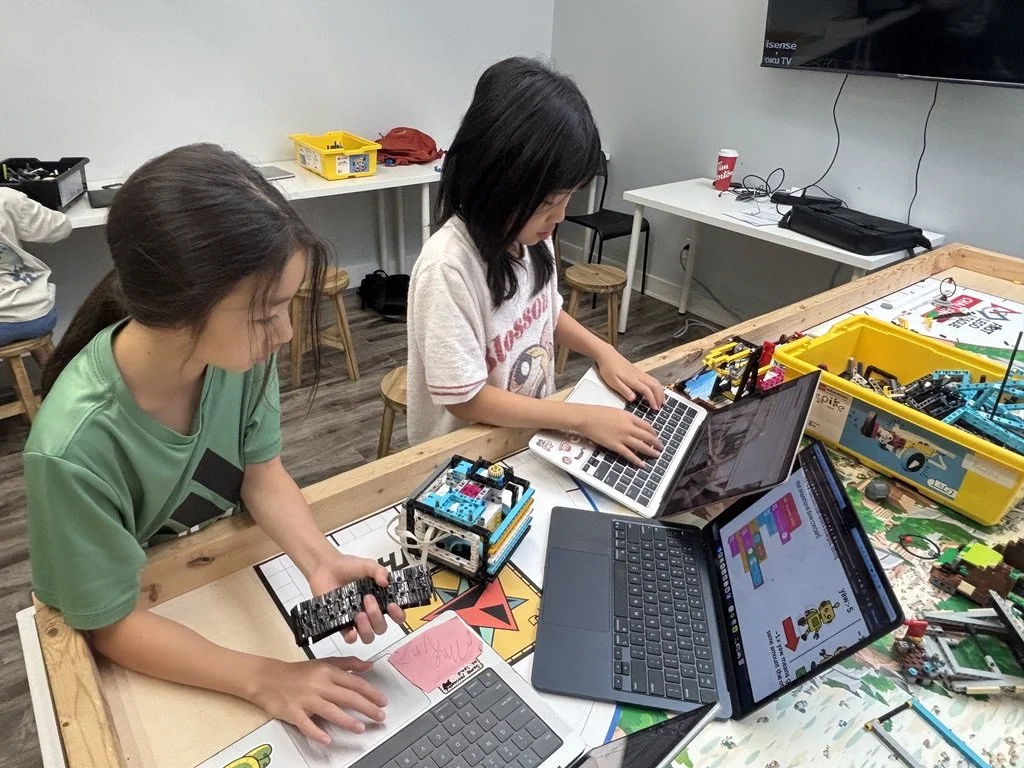
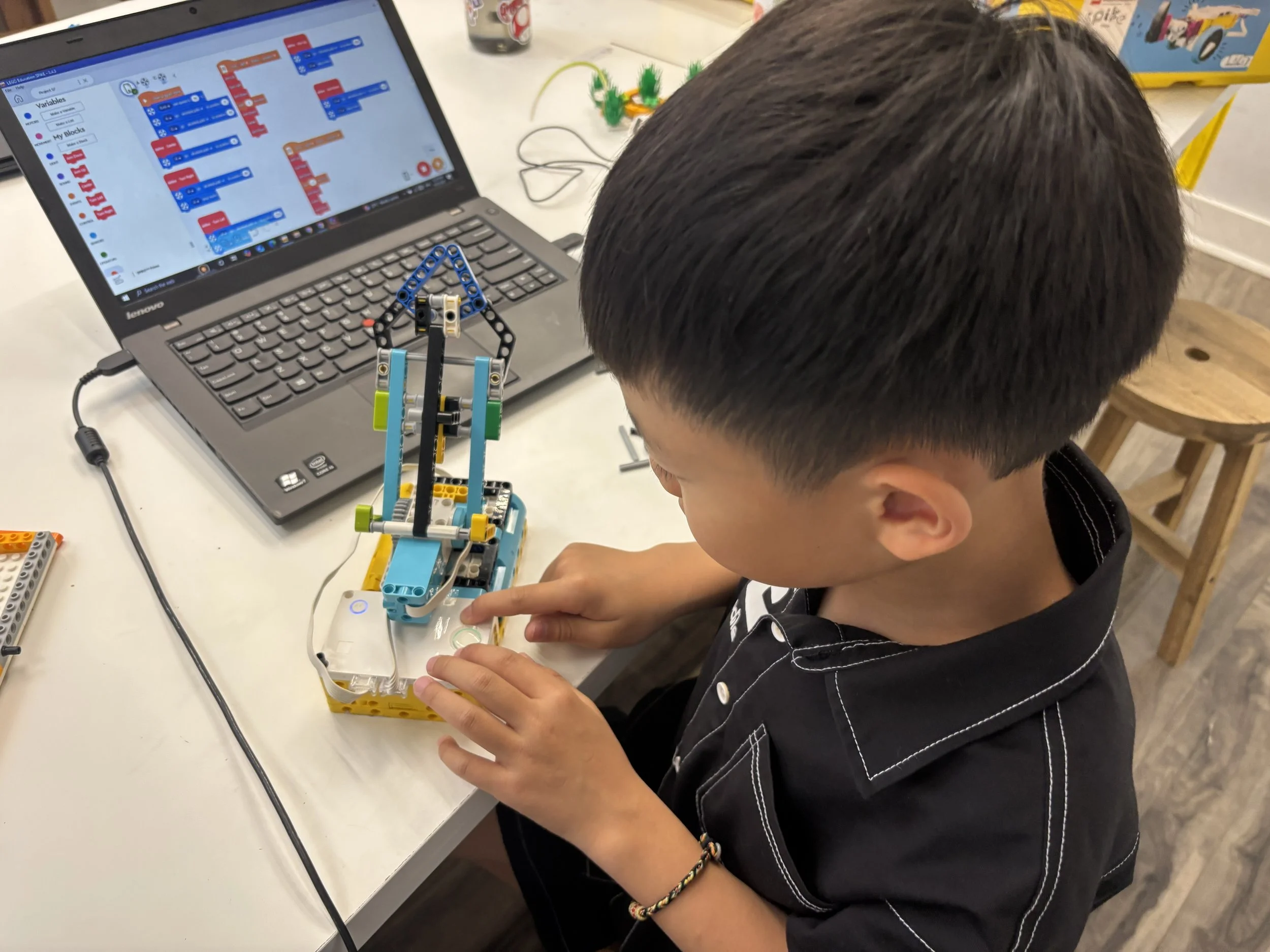
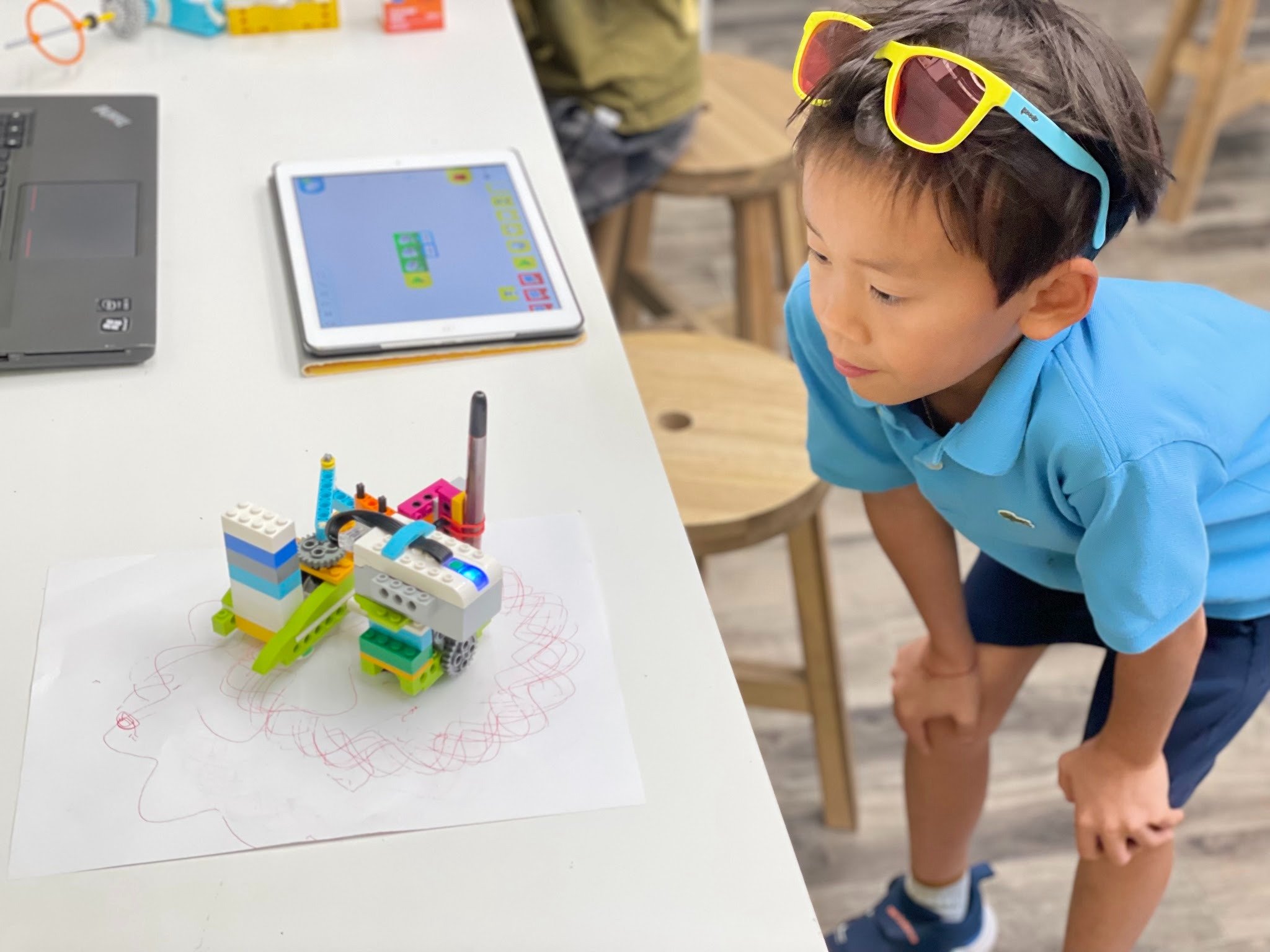
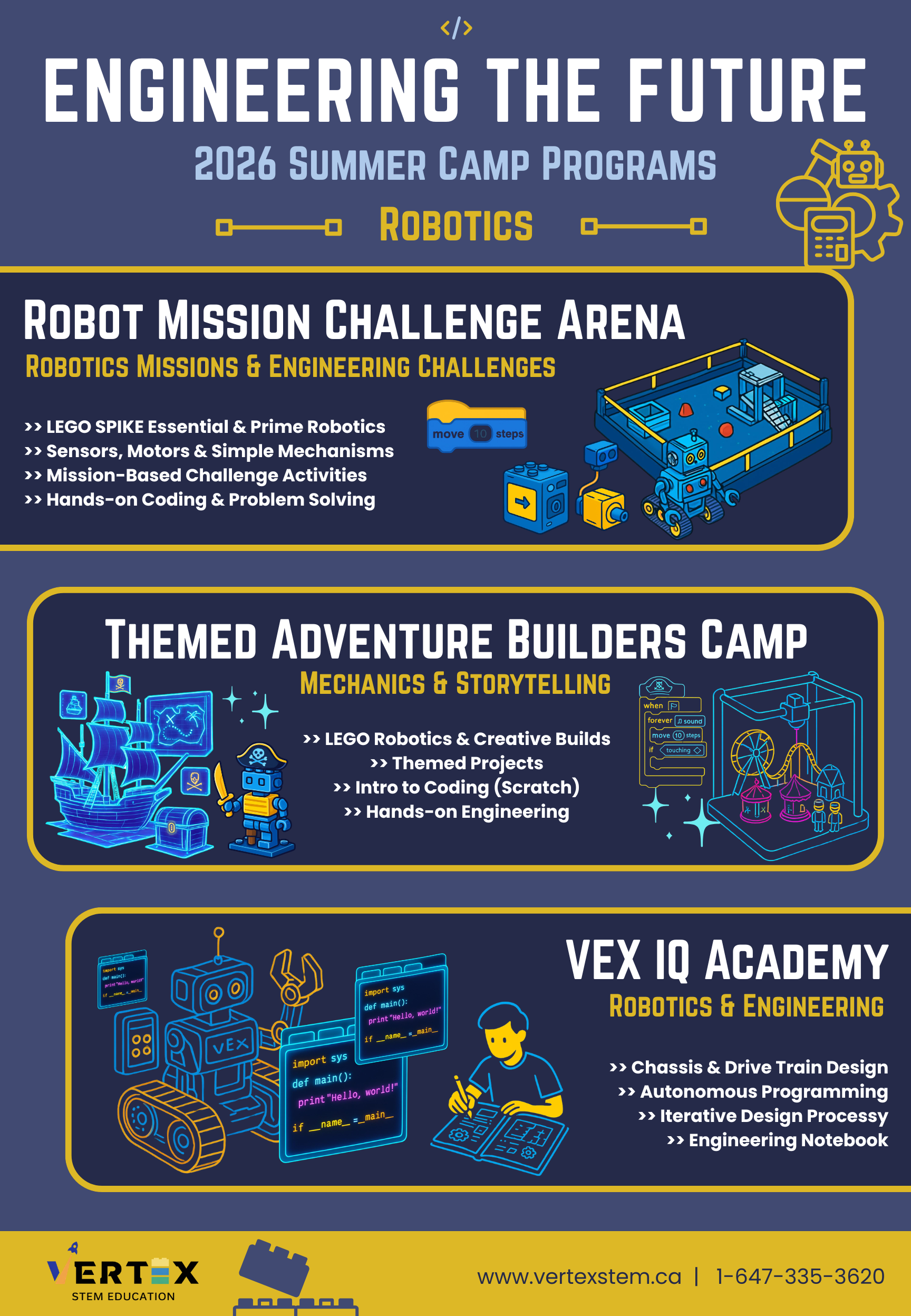
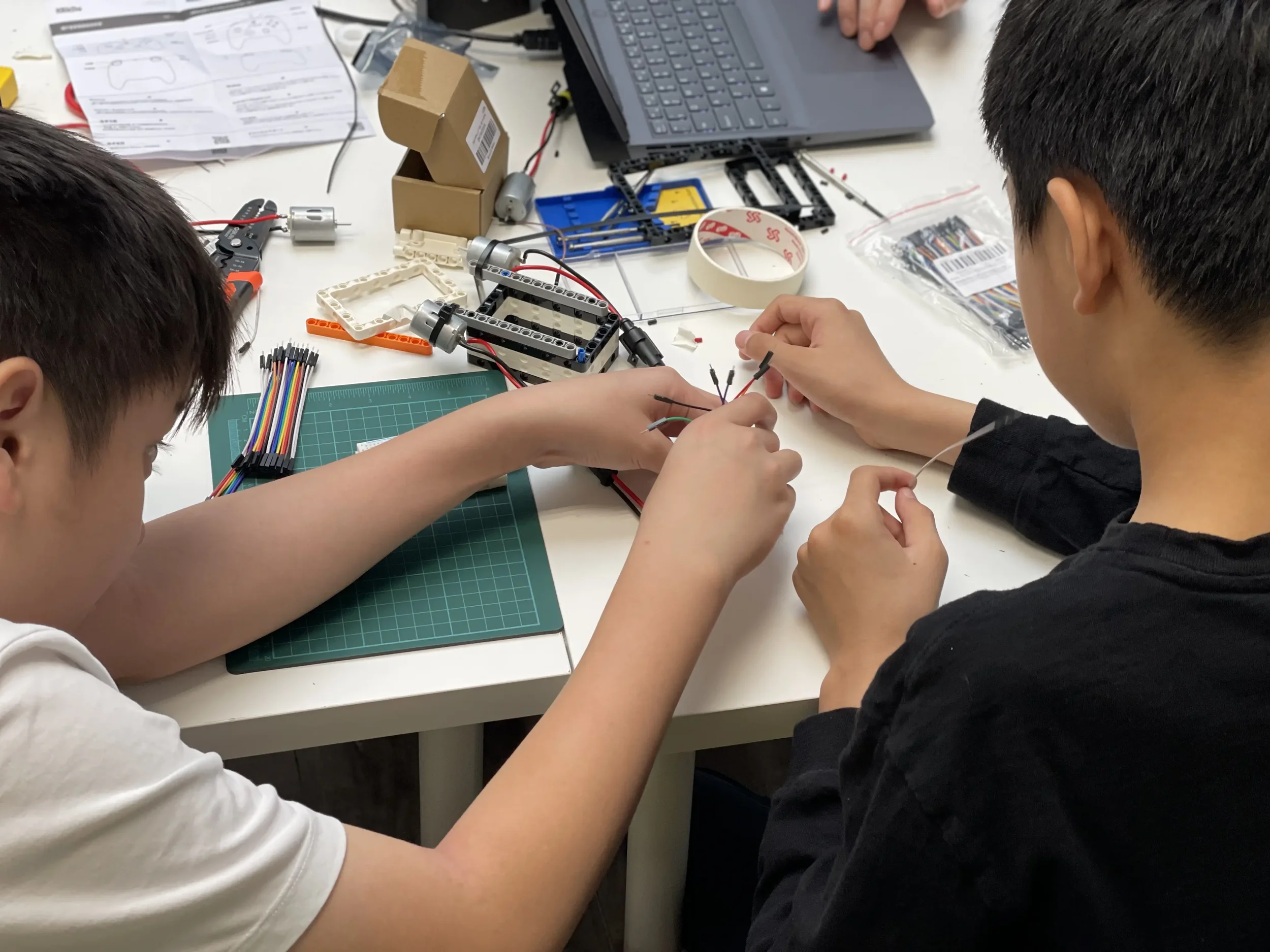
Programs in this category focus on designing, building, and coding with LEGO Robotics. Students will construct their own robots using LEGO components and learn how to program them to perform movements and complete specific tasks or challenges by coding the robots. These programs are ideal for young kids and even for older students who are new to coding, as they provide structured building instructions along with introductory coding lessons. More advanced courses are also available for students who are ready to take on more complex robotic challenges.
Robot Mission Arena
Target Audiences: Gr 1 - Gr 4
Program Overview: Robot Mission Arena is a one-week, challenge-based robotics camp where students design, build, and program robots to complete interactive missions on a custom-built arena. Instead of following step-by-step instructions alone, students are encouraged to think critically and experiment with coding strategies to solve real challenges. Using pre-built robot bases (such as drawing robots, sensor-based robots, and color-detection robots), students will focus on programming and problem-solving. Each day introduces new missions on a shared challenge field, including tasks such as line-following, shape drawing, color detection, and navigation. The program emphasizes exploration, iteration, and engagement, allowing students to test their ideas, debug their code, and improve their solutions in a fun, game-like environment.
Target Audiences: SK - Gr 2
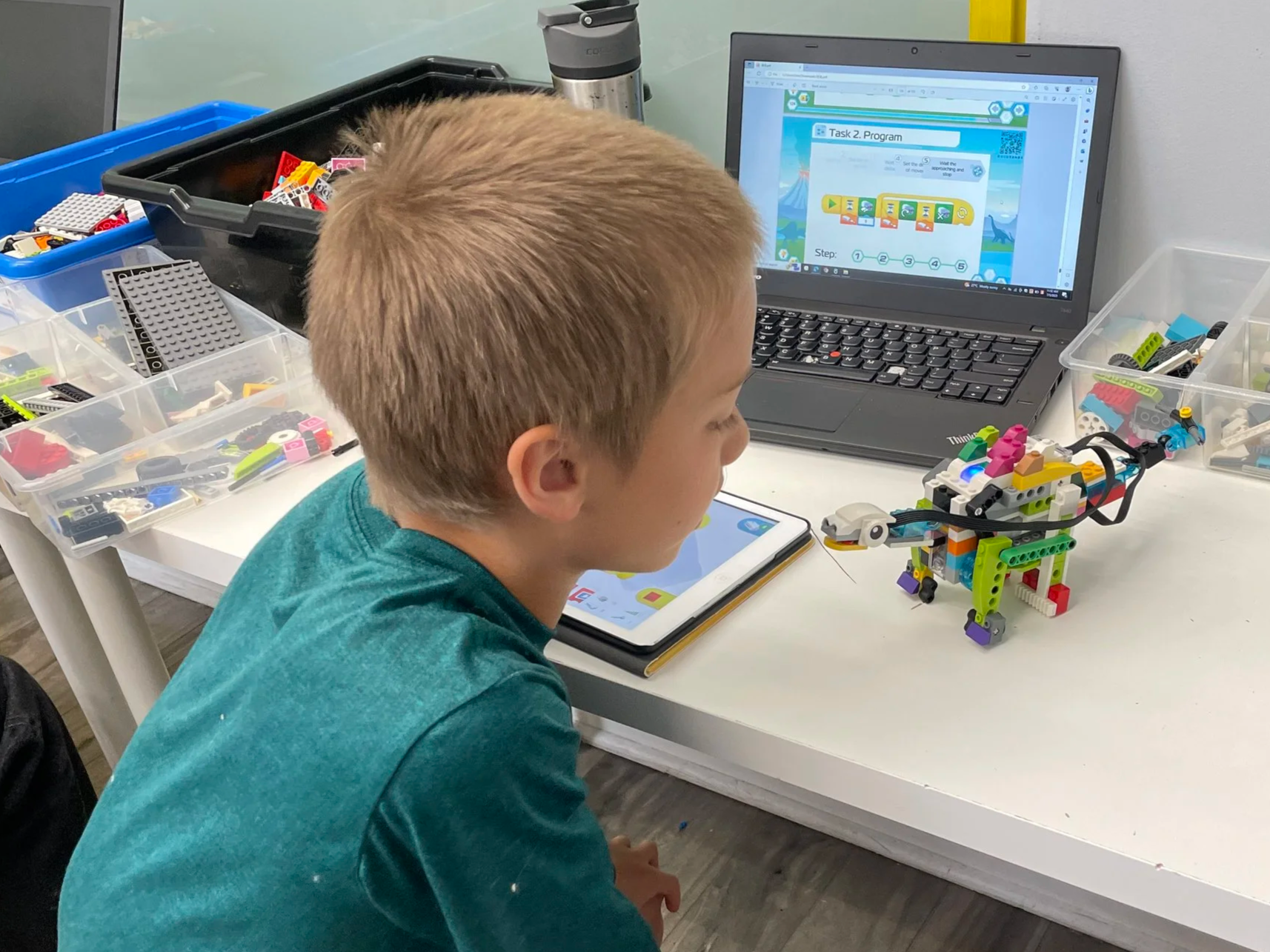
Program Overview: This two-week camp combines LEGO-based robotics, creative design, and simple hands-on activities to explore the exciting world of pirates. Students will build pirate-inspired robotic models such as ships, treasure chests, and moving sea-themed creations while learning how simple mechanisms can create motion and action. Beyond building, the program integrates engaging activities such as sketching, basic shape-based design, and introductory digital exploration such as Scratch, to create a fun and well-balanced learning experience. By blending storytelling, creativity, and early STEM concepts, students will learn how simple machines work while bringing their own pirate adventures to life.
Pirate Adventure Camp
Robotics & Engineering Camp (VEX IQ)
Target Audiences: Gr 5 - Gr 8
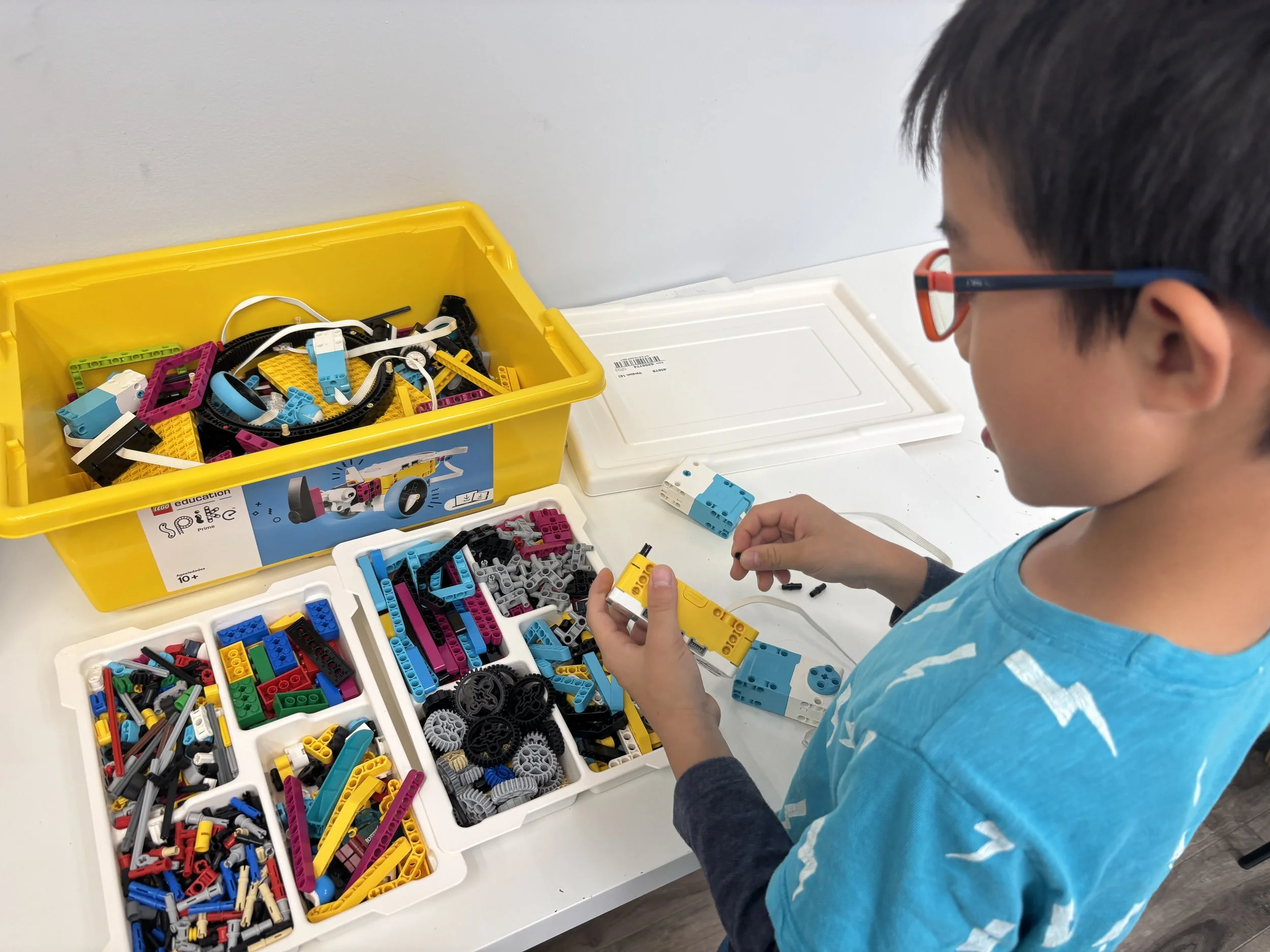
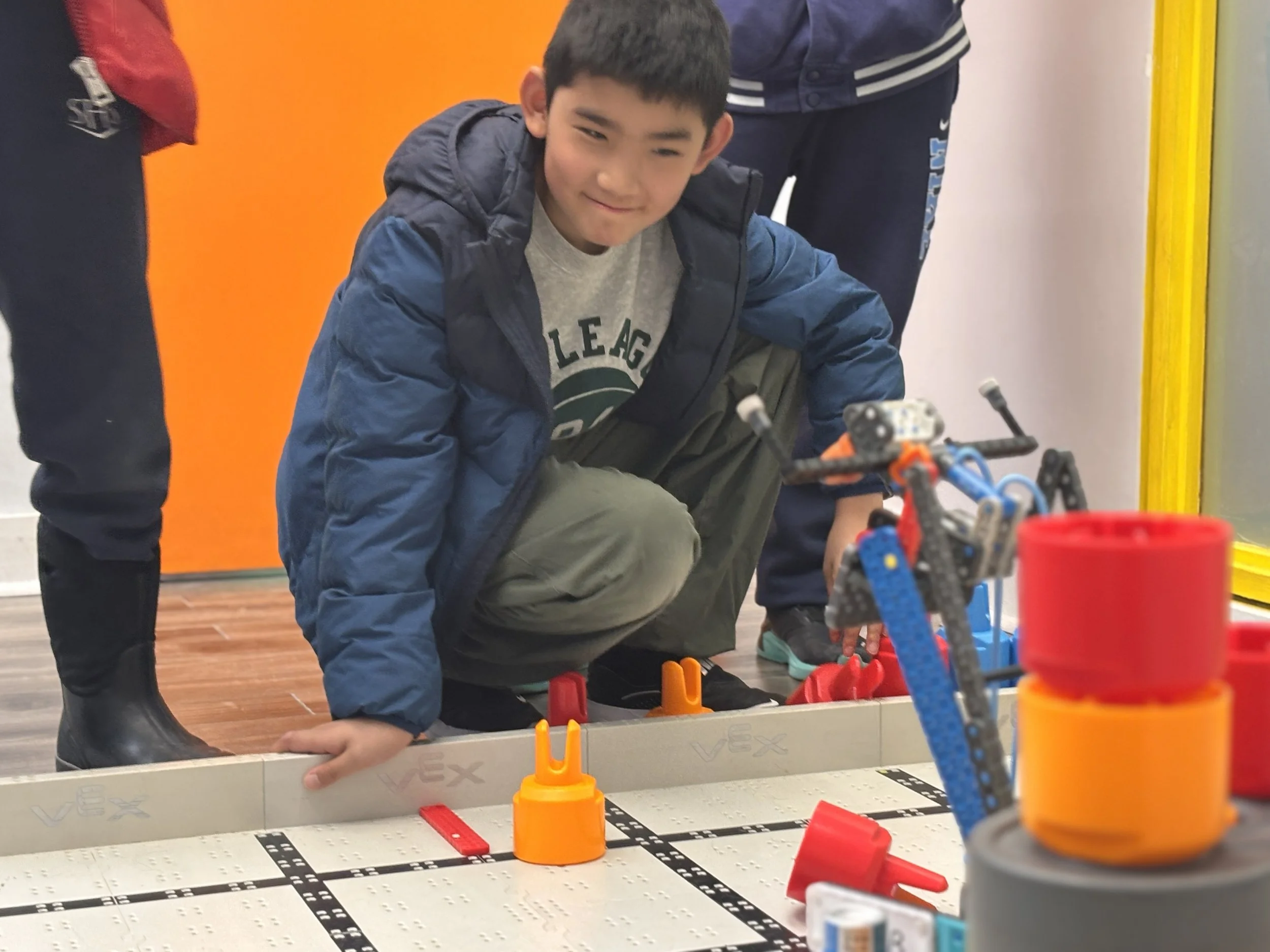
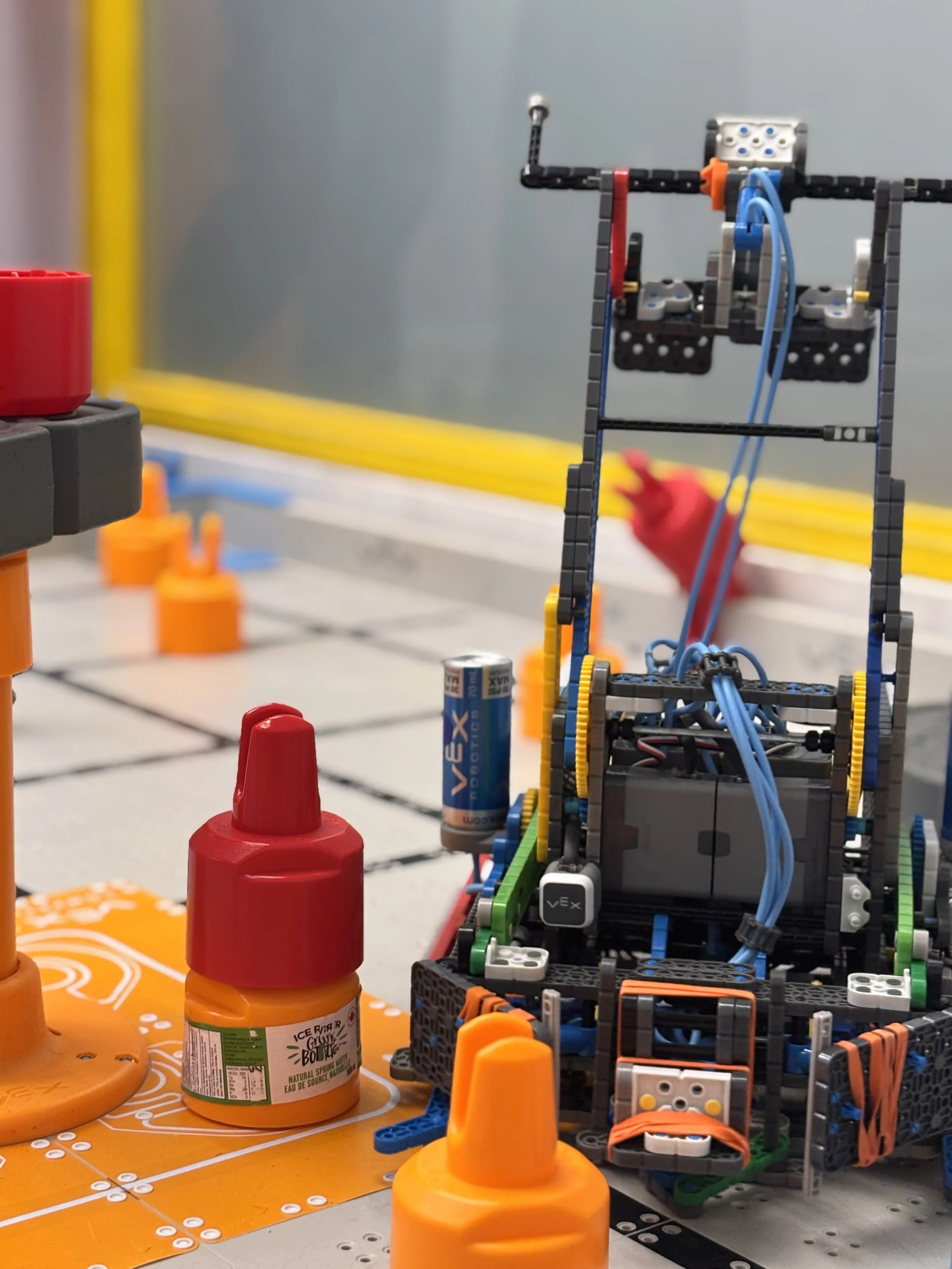
Program Overview: Our VEX IQ program introduces students to the fundamentals of robotics through a hands-on project based approach that emphasizes program solving and the engineering process through thoughtful design iteration. Students begin by exploring core mechanical concepts such as chassis design, drive train basics, and structural integrity, building up the skills they need to build a fully functioning robot using the VEX IQ ecosystem. Beyond physical builds and mechanical skills, our students will develop their programming skills to control their robots autonomously capable of independently completing tasks. Beyond technical skills, our program fosters critical thinking, collaboration, and clear communication. Students maintain engineering notebooks to document their ideas, iterations, and improvements, helping them to develop a structured design process as they learn and progress. Finally, as they advance, students will tackle increasingly open-ended and complex challenges that mirror real-world engineering problems.
Coding and AI Programs
Game Development Lab
Programs in this category focus on teaching coding through game development, with the goal of helping students create their own games by the end of the program. Rather than only covering basic coding concepts, these camps encourage students to apply their knowledge by building interactive games using various programming languages or platforms. This category is well-suited for students who want to learn coding in a more engaging, hands-on way, as well as for those with prior coding experience who are interested in developing their own game projects. The difficulty progression for game development ranges from Scratch, to Roblox, and then Unity, with Scratch being suitable for beginners, Roblox for beginner to intermediate students, and Unity for advanced learners.
Target Audiences: Gr 6 - Gr 11
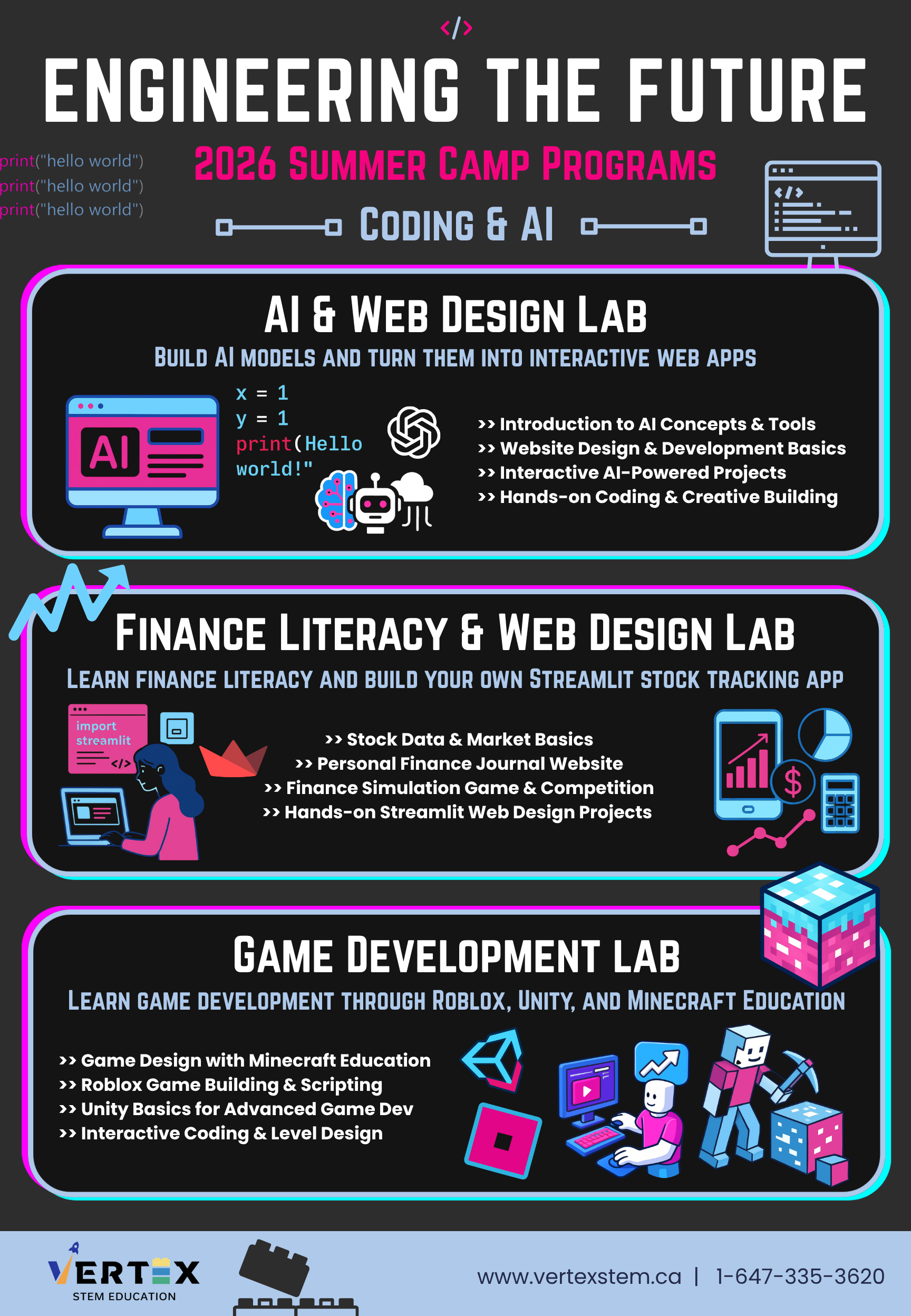
Program Overview: This camp focuses on building practical AI-powered tools such as chatbots, smart assistants, and decision-making applications. Instead of focusing on generative AI outputs, students will design and create functional tools that simulate real-world AI systems. Using accessible platforms and structured logic, students will build interactive applications such as chat-based assistants, automated planners, and simple agent-like systems. The program emphasizes practical use, system design, and user experience, allowing students to understand how AI is applied in real-life tools while creating their own working applications.
Smart AI Lab
Target Audiences: Gr 6 - Gr 11
Program Overview: This program introduces students to building and publishing their own interactive web applications using Python and Streamlit. Rather than focusing on isolated exercises, students will develop a single app throughout the camp, gradually adding features such as user input, goal tracking, and interactive tools. Streamlit is used because it allows beginners to easily turn Python code into a functional web app, making the learning process both accessible and engaging. A key focus of the program is app deployment, giving students the opportunity to publish and share their work online, which helps them experience the full process of creating a real application from start to finish. By the end of the camp, students will have built and deployed their own personalized web app, gaining both technical skills and confidence in bringing their ideas to life.
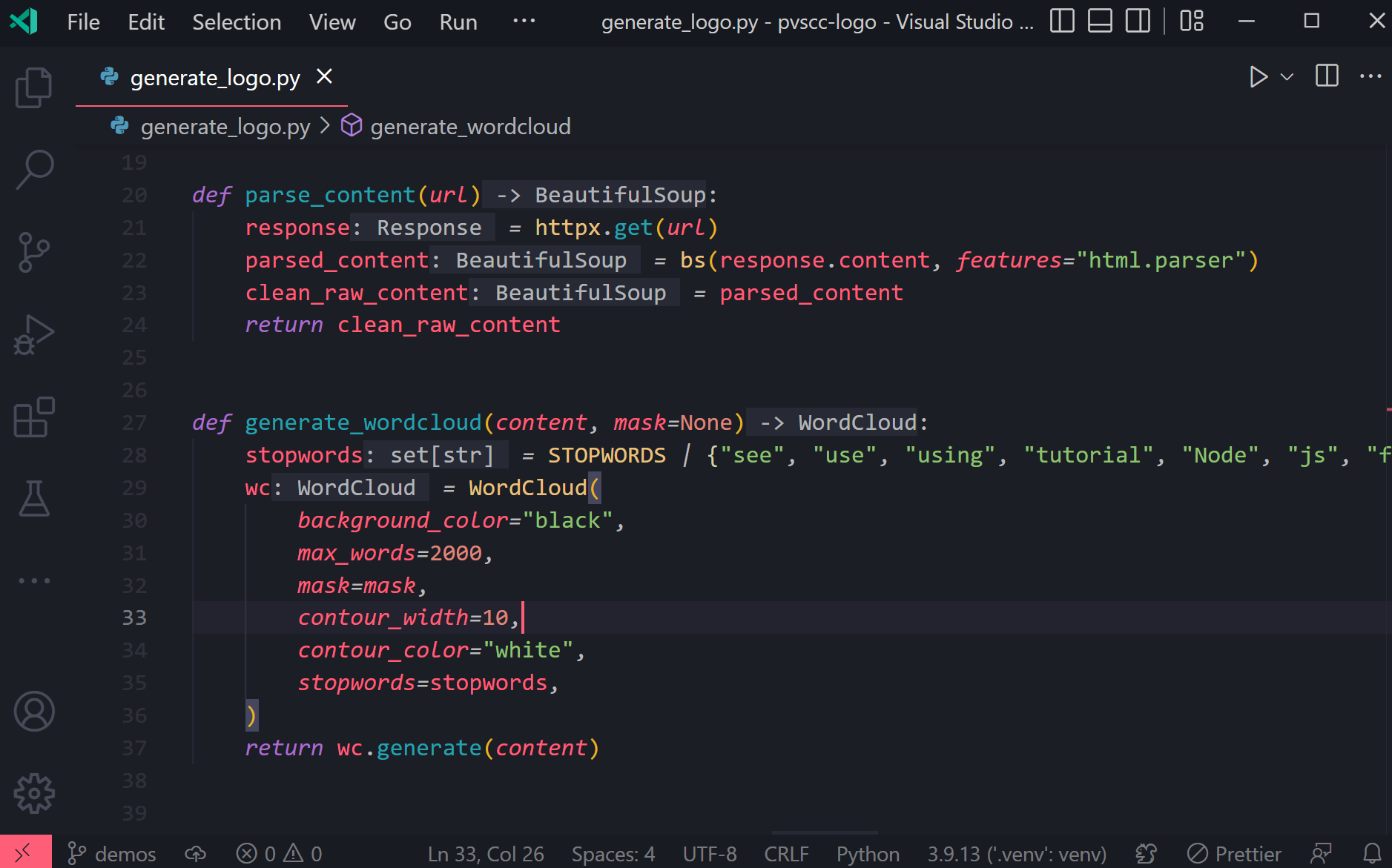
Streamlit: Build your own website!
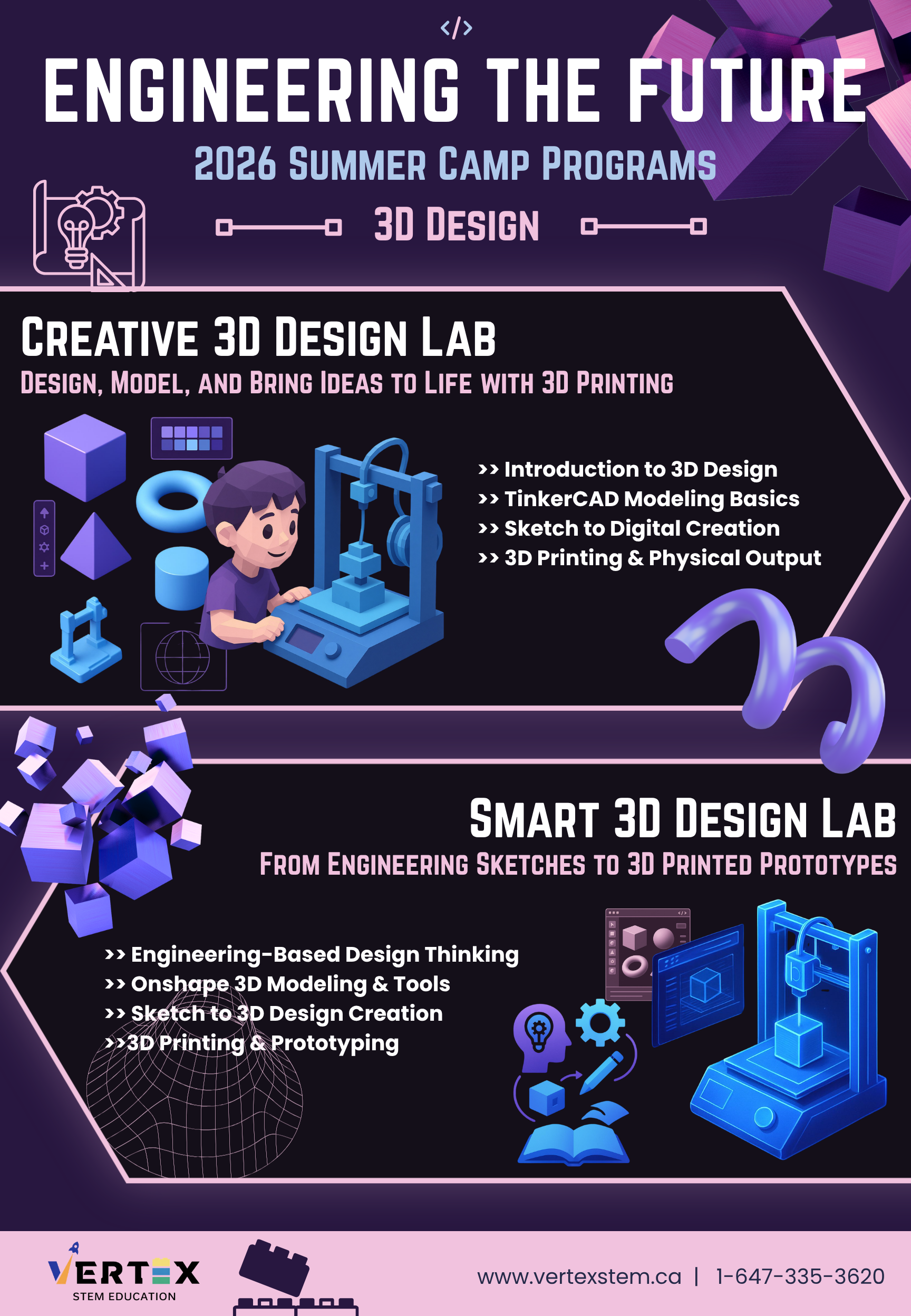
Programs in this category focus on designing 3D objects using 3D modeling software. These programs provide students with hands-on experience in creating their own designs while developing engineering thinking and creativity. Students will also have the opportunity to bring their designs to life using a 3D printer.
3D Making
Target Audiences: Gr 1 - Gr 6
Program Overview: This 3D Design & Printing Lab introduces students to the fundamentals of 3D design, engineering thinking, and additive manufacturing. Rather than starting directly with digital modeling, students begin by sketching and planning their ideas, learning how objects are designed in the real world. Throughout the program, students explore how 3D printers work, what materials are used, and how digital designs become physical objects. Beginner students will use Tinkercad to create simple models. The camp balances digital design, hands-on activities, and creative exploration to ensure students remain engaged during extended sessions. By the end of the program, each student will have designed and received their own 3D printed object. This camp will focus on using tools like Tinkercad, focusing on using basic shapes like cube, cylinder, and sphere. The students will be told to create creative objects as well as functional design objects.
3D Printing Lab
Target Audiences: Gr 5 - Gr 11
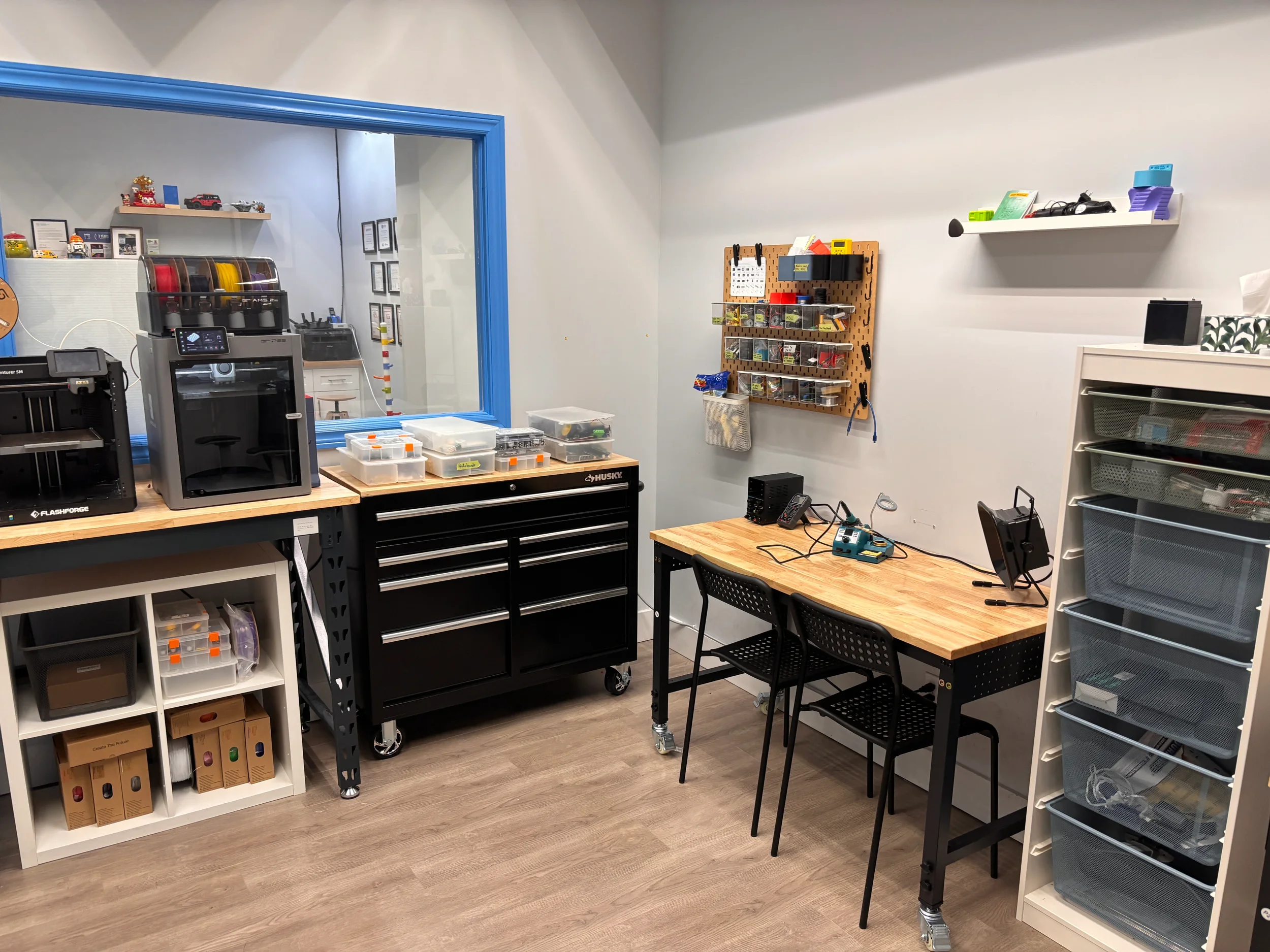
Program Overview: The Smart 3D Design Lab is a two-week advanced STEM program that focuses on 3D design, engineering principles, and digital fabrication. This program focuses on transforming students from simple 3D model creators into designers of functional and interactive objects. Rather than only learning software tools, students will explore how design decisions impact usability, mechanics, and user experience. Through a structured design process, students will: Design 3D objects using OnShape; Prototype and refine their models for real-world 3D printing; Apply mechanical design concepts such as structure, movement, and assembly; Optimize designs for strength, efficiency, and printability. This program emphasizes hands-on creation, problem-solving, and iterative design thinking, giving students a complete “idea-to-product” experience.
Smart 3D Design Lab
AP School Study
Programs in this category focus on academic subjects such as calculus and physics. These programs are designed to help students prepare for upcoming school courses that may be challenging, providing opportunities to review key concepts in advance and strengthen subject-specific skills.
Java 1-2
Target Audiences: Gr 8 - Gr 10
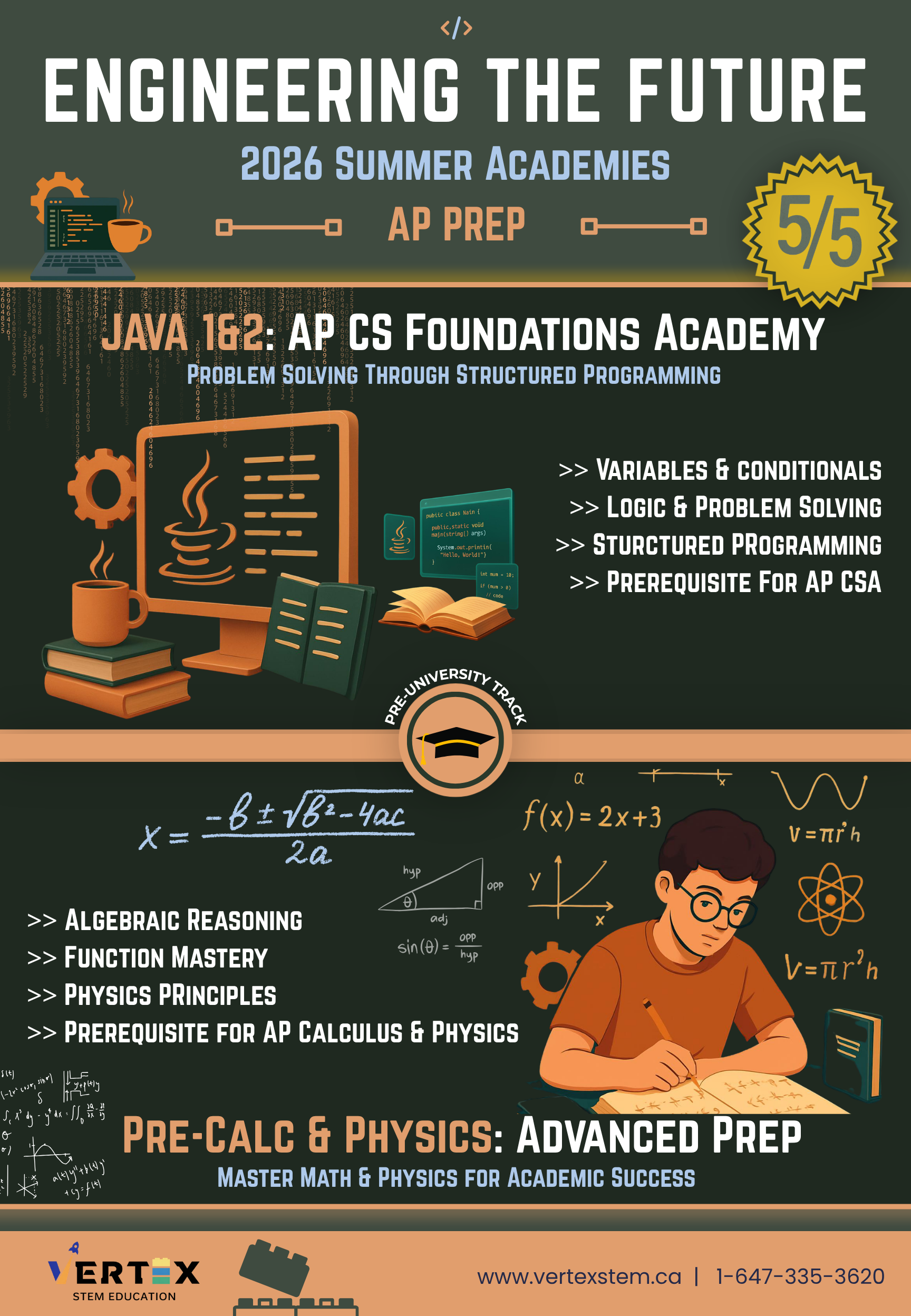
Program Overview: This program is designed to introduce students to the fundamentals of Java programming while building a strong foundation for future computer science studies. Students will learn essential concepts such as variables, conditionals, loops, and basic problem-solving through structured lessons and guided practice. The course focuses on helping students understand how programming works in a clear and logical way, gradually progressing from simple concepts to more structured problem-solving tasks. Through hands-on exercises, students will gain confidence in writing and understanding code, preparing them for school-level computer science courses and beyond.
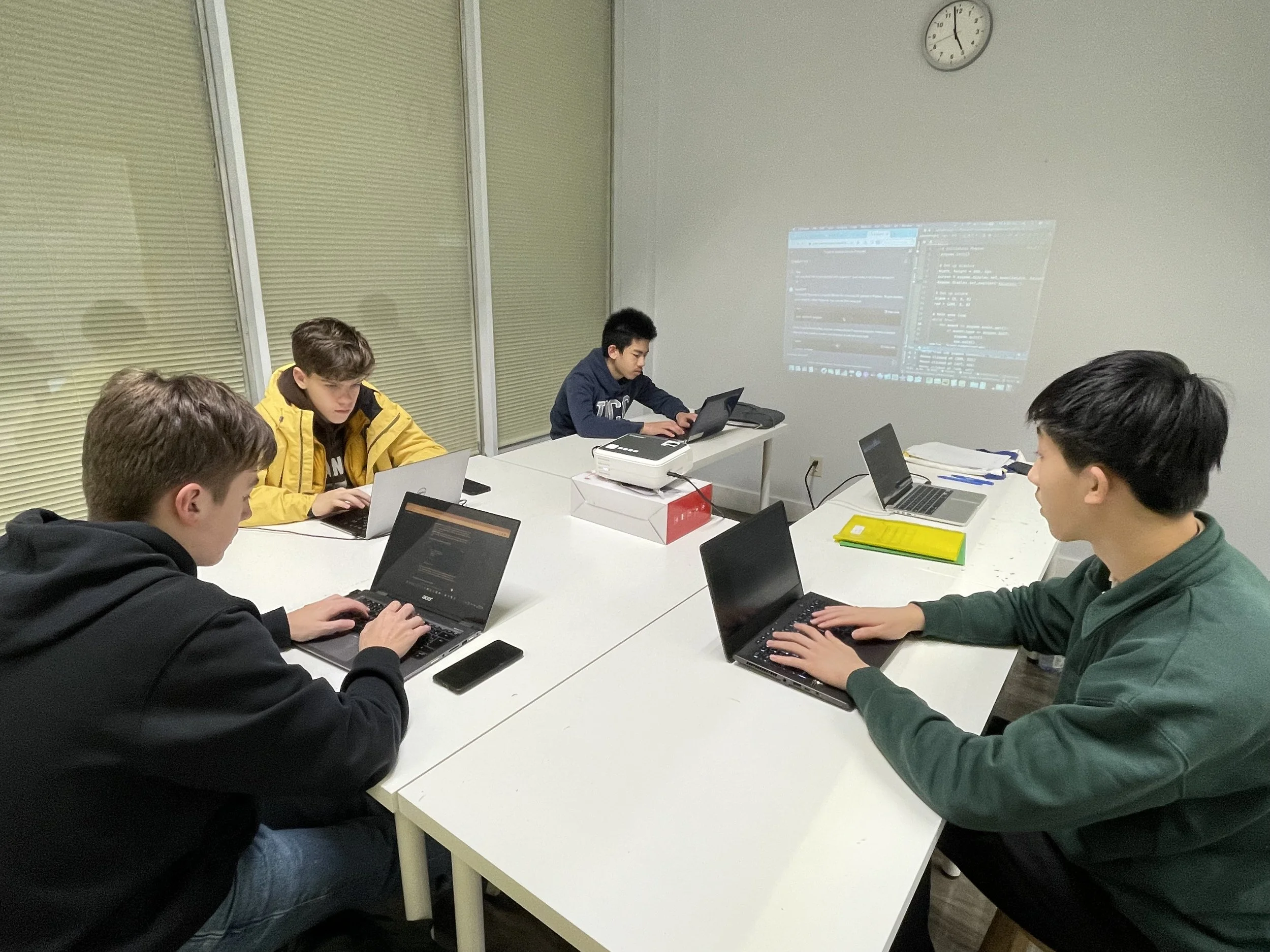
Target Audiences: Gr 9 - Gr 11
Program Overview: This program is designed to help students prepare for upcoming math and science courses by strengthening their understanding of key pre-calculus and physics concepts. Students will review important topics such as functions, algebraic reasoning, and foundational physics principles in a structured and supportive environment. The course aims to build both confidence and problem-solving skills, allowing students to approach more advanced school material with a stronger foundation. Through guided practice and clear explanations, students will reinforce their understanding while developing the skills needed to succeed in future academic courses.
Smart 3D Design Lab
Why Vertex STEM?
💡
| Feature | Benefit |
|---|---|
| Hands-on Learning | Build real robots, not just theories. |
| Small Class Sizes | Personalized attention for every camper. |
| Flexible Care | Extended hours to support busy parents.。 |
Ready to Join?
📋
Spaces fill up fast! Secure your child's spot for a week of robots, rockets, and code.